

Maryland Slip and Fall Lawyer
Injured Because of an Unsafe Property Condition? Jackson Law Firm Can Help You Understand Your Legal Options.
A slip and fall accident can result in serious injuries, unexpected medical expenses, missed work, and lasting physical limitations.
Falls and other property-related accidents may occur in grocery stores, restaurants, hotels, apartment buildings, shopping centers, parking lots, or other locations.
Under Maryland law, property owners and occupiers may have duties to maintain reasonably safe conditions for certain visitors. However, not every fall creates a valid personal injury claim.
At Jackson Law Firm, attorney Robert Jackson represents injured individuals throughout Maryland, including Salisbury, Ocean City, Wicomico County, Worcester County, and Prince George’s County.
We help injured people evaluate whether a dangerous property condition, negligent maintenance, or another legally actionable failure contributed to their injuries.
Call 443-429-1978 for a free case review.

Common Slip and Fall Hazards
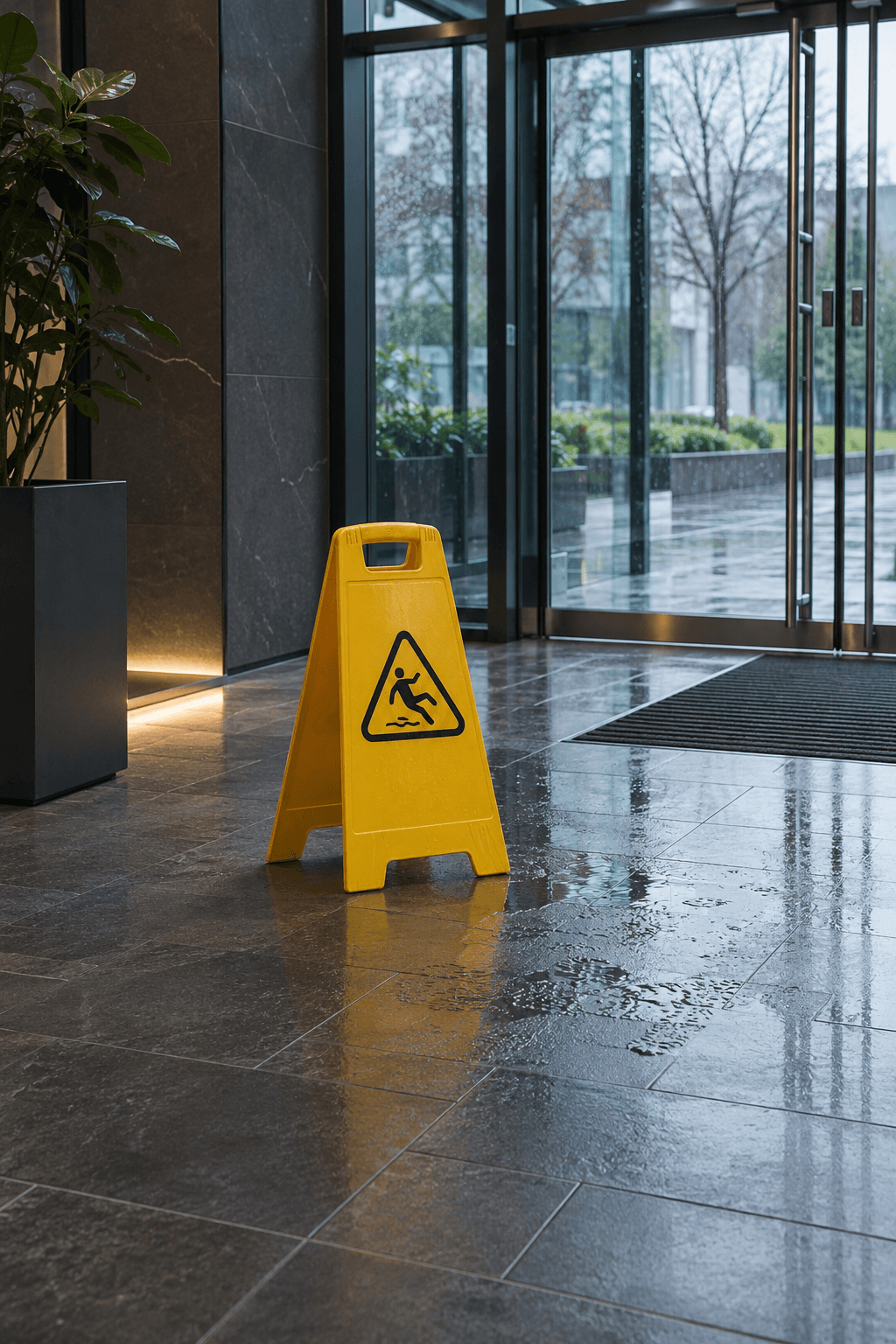
Wet or Slippery Floors
Water, spilled liquids, cleaning products, and other substances can create hazards in stores, restaurants, hotels, and commercial buildings.
Liability may depend on how the substance reached the floor, whether the business knew or should have known about it, and whether reasonable precautions were taken.
Uneven Walking Surfaces
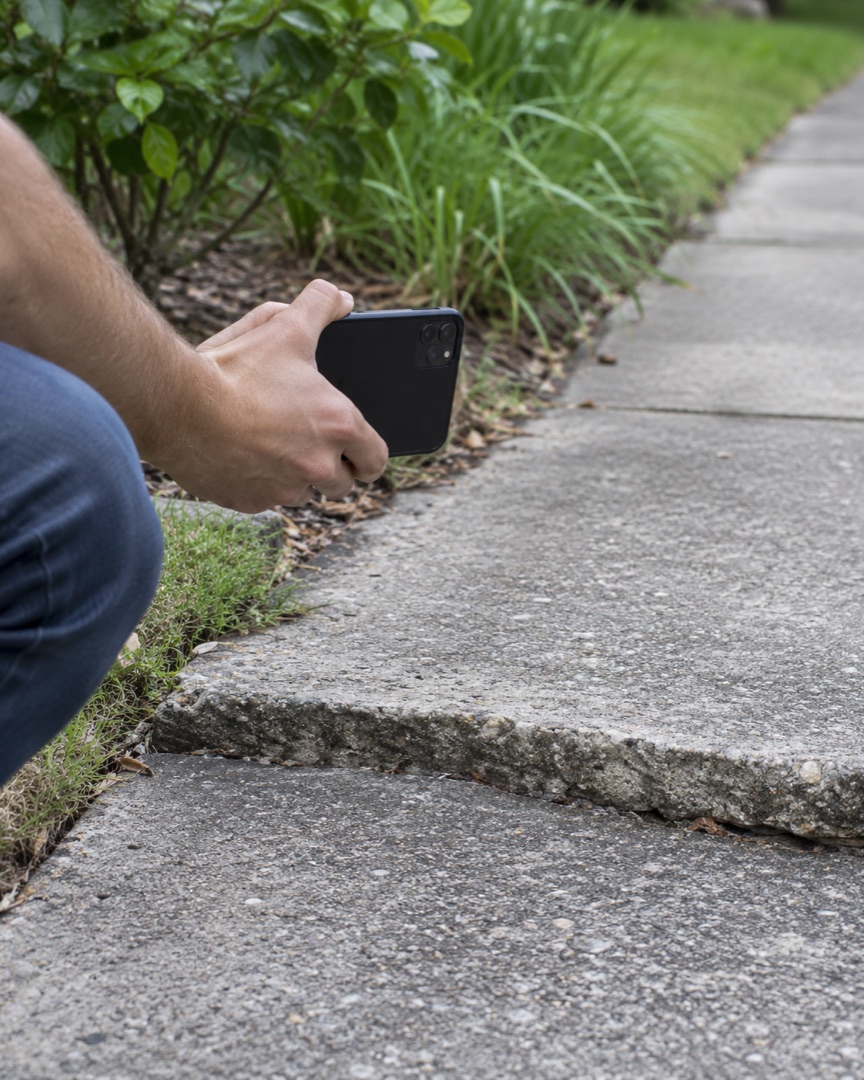
Broken pavement, uneven walking surfaces, and deteriorating concrete may create tripping hazards.
Responsibility depends on the property, the condition, and the legal duties owed by the potentially responsible party.
Unsafe Stairs and Handrails
Loose steps, deteriorating stairways, and defective handrails can cause serious falls.
Available maintenance records, photographs, inspection evidence, and witness accounts may help determine whether a hazardous condition existed.
Poor Lighting
Inadequate lighting may make stairs, obstacles, and uneven surfaces difficult to see.
Whether lighting created a legally actionable hazard requires evaluation of the circumstances.
Ice and Snow
Ice and snow may present dangerous walking conditions, particularly at entrances, parking lots, and sidewalks.
Maryland law does not automatically make a property owner liable for every fall involving winter weather. The circumstances, the duties owed, notice, and potential assumption-of-risk issues may affect recovery.
Falling Objects and Other Hazards
Merchandise falling from shelves, unsecured objects, and unsafe building conditions can produce injuries beyond traditional slip and fall accidents.
The legal analysis depends on the source of the danger and the conduct of the responsible parties.
What Must You Prove in a Maryland Premises Liability Claim?
A successful premises liability claim generally requires evidence establishing a legally recognized duty, a breach of that duty, causation, and damages.
For example, a business may owe customers invited onto its premises a duty to exercise reasonable care to keep the premises reasonably safe.
However, the precise duty can depend on the injured person’s legal status and other circumstances.
A person injured in a store may be subject to different legal considerations than a person entering private property without permission.
Actual and Constructive Notice
In many cases involving a hazardous condition on commercial property, an important issue is whether the responsible party had actual or constructive notice of the danger.
Actual Notice
Actual notice means the responsible party knew about the condition.
Constructive Notice
Constructive notice may arise when a condition existed long enough, or under circumstances sufficient, that the responsible party should have discovered it through reasonable care.
For example, evidence showing that a spill existed for an appreciable period may be important when determining whether a store should have discovered and addressed it.
The existence of a dangerous condition alone does not always establish that a property owner was negligent.
Contributory Negligence and Assumption of Risk
Contributory Negligence
Maryland generally follows the doctrine of contributory negligence.
If an injured person’s negligence legally contributed to causing the injury, recovery may be barred even when a property owner was also negligent.
Insurance companies and defendants may argue that a person failed to observe an obvious condition, disregarded a warning, or otherwise failed to exercise reasonable care.
Whether those arguments are legally supported depends on the specific evidence.
Assumption of Risk
Maryland premises liability cases may also involve assumption of risk.
This doctrine can apply when a person voluntarily encounters a known and appreciated danger under circumstances meeting the legal requirements.
Contributory negligence and assumption of risk are separate legal defenses, even though both may arise from the same accident.
An attorney can evaluate whether either defense applies.
Evidence in a Slip and Fall Claim
Evidence is often critical because the condition that caused a fall may be cleaned, repaired, removed, or otherwise changed shortly after an accident.
Potentially useful evidence includes:
- Photographs of the dangerous condition
- Incident reports
- Witness names and contact information
- Available surveillance recordings
- Medical records
- Maintenance and inspection records
- Photographs of footwear and clothing when relevant
- Documentation of the injuries and financial losses
When possible, the condition should be photographed before it is changed or corrected.
An incident should be reported to an appropriate property representative, and a copy of any written report should be requested when available.
Injuries and Compensation After a Slip and Fall
Common Injuries
Slip and fall accidents may cause injuries ranging from sprains to permanent disability.
Common injuries include:
- Broken wrists, arms, ankles, and hips
- Head injuries and concussions
- Back and neck injuries
- Herniated discs
- Shoulder and knee injuries
- Soft tissue injuries
- Spinal cord injuries
- Other conditions requiring surgery or rehabilitation
Older adults may experience particularly serious consequences from certain falls, including fractures and loss of mobility.
A claim should account for the actual medical evidence and the effect the injury has had on the person’s life.
Potential Compensation
When negligence and the other required legal elements are established, an injured person may be entitled to pursue legally recoverable damages.
Depending on the circumstances, those may include:
- Medical expenses
- Future treatment expenses
- Lost wages
- Diminished earning capacity
- Pain and suffering
- Permanent physical limitations
- Other losses recognized under Maryland law
The value of a premises liability case depends on the injuries, the evidence of negligence, the applicable defenses, and other case-specific factors.
Maryland Slip and Fall Filing Deadlines
Under Courts and Judicial Proceedings § 5-101, most Maryland personal injury lawsuits must be filed within three years after the claim accrues.
However, exceptions and shorter notice requirements may apply, particularly where a governmental entity is involved.
Even when the filing period has not expired, delay can make it difficult to obtain video recordings, witnesses, and evidence concerning the condition of the property.

Slip and Fall Representation in Ocean City, Salisbury, and Across Maryland
Slip and fall injuries may occur in commercial businesses, vacation properties, restaurants, hotels, apartment complexes, and other premises across Maryland.
Ocean City attracts substantial seasonal tourism, creating frequent interaction between visitors and businesses such as hotels, restaurants, retail establishments, and rental properties.
Salisbury and the surrounding Eastern Shore communities also include a wide range of commercial, residential, and public properties where premises liability issues may arise.
Jackson Law Firm represents clients in premises liability matters throughout Maryland, including Wicomico County, Worcester County, Prince George’s County, Salisbury, and Ocean City.
The firm maintains offices in Salisbury and Ocean City.
How Jackson Law Firm Evaluates Slip and Fall Claims
Reviewing the Accident
We discuss where the injury occurred, the circumstances of the fall, and the condition alleged to have caused it.
Evaluating Property Conditions and Duties
We examine the injured person’s status on the property, the duties potentially owed, and available evidence concerning the dangerous condition.
Assessing Notice and Defenses
Where relevant, we evaluate whether the responsible party knew or should have known of the hazard and whether contributory negligence or assumption of risk may be disputed.
Documenting Injuries and Losses
Medical records, treatment history, employment information, and evidence of lasting limitations may help establish the extent of legally recoverable damages.
Negotiation and Litigation
When supported by the evidence and applicable law, the claim may be pursued through insurance negotiations or litigation.
Frequently Asked Questions About Maryland Slip and Fall Claims
Can I bring a claim if I slipped and fell in a store?
Possibly. A valid claim generally requires evidence of negligence, causation, and damages. In many cases, an important question is whether the store knew or should have known about the dangerous condition and failed to take reasonable action.
Does the property owner have to know about the hazard?
Actual knowledge is not always required. Depending on the circumstances, constructive notice may be established when a hazard existed long enough that reasonable inspection or maintenance should have revealed it. The evidence must support that conclusion.
What if there was a warning sign?
A warning sign may affect the legal analysis, but its presence does not automatically determine the outcome. The location, visibility, adequacy of the warning, the nature of the hazard, and the injured person’s conduct may all matter.
Can I recover compensation if I was partly at fault?
Maryland’s contributory negligence doctrine generally prevents recovery when the plaintiff’s own negligence legally contributed to the injury. Assumption of risk may also be relevant. However, allegations that the injured person was careless do not automatically establish either defense.
What evidence should I gather after a slip and fall?
Photographs of the condition, witness information, an incident report, medical records, and available surveillance evidence can be important. Prompt action matters because hazardous conditions may be removed and recordings may not be retained indefinitely.
How long do I have to file a Maryland slip and fall lawsuit?
Most Maryland personal injury lawsuits are subject to a three-year limitations period, although exceptions and shorter notice requirements may apply. An early evaluation can help identify the correct deadlines.
Speak With a Maryland Slip and Fall Lawyer
Jackson Law Firm LLC | Personal Injury Representation Throughout Maryland
If you suffered injuries because of a dangerous property condition, Jackson Law Firm can review the circumstances and explain whether you may have a viable claim.
Our firm represents injured clients throughout Maryland, with offices in Salisbury and Ocean City.
Call 443-429-1978 or contact Jackson Law Firm online for a free case review.